
News
Internal Arc Classification Explained (IAC AFLR, 16/25/31.5 kA Basics)
Internal arc faults are among the most dangerous events that can occur inside medium-voltage (MV) switchgear. They release extreme pressure, heat, and toxic by-products within milliseconds. For utilities, EPCs, and industrial operators, ensuring maximum personnel and equipment safety has become a core requirement for any new MV installation.
The globally recognized benchmark for this is the Internal Arc Classification (IAC) defined in IEC 62271-200. This article explains what IAC means, what the classifications AFL/AFLR represent, how fault ratings like 16 kA / 25 kA / 31.5 kA are determined, and how modern SF₆-free GIS achieves high-level internal arc performance while improving sustainability.
1. What Is an Internal Arc Fault?
An internal arc occurs when insulation inside the switchgear fails, causing a short circuit and arcing between live parts and against earth potential.
This results in:
- Rapid pressure rise
- Gas and hot particle ejection
- Light and sound shock
- Potential mechanical deformation
In oil-filled or open-air systems, consequences were historically catastrophic. Today, GIS and metal-enclosed switchgear are designed to contain and release this energy safely.
2. What Is Internal Arc Classification (IAC)?
IEC 62271-200 defines IAC as a safety performance class indicating the switchgear’s ability to:
- Withstand the thermal and mechanical effects of an internal arc
- Prevent harm to personnel standing near the equipment
- Direct arc gases safely through controlled exhaust channels
Switchgear is tested under worst-case internal arc conditions.
3. Decoding IAC Designations (AFLR)
IAC ratings include three letters describing the accessibility zones where the switchgear protects personnel.
A – Accessibility Type A: For authorized personnel only (trained operators, technicians).
F – Front: Protection at the front side of the switchgear.
L – Lateral: Protection at the side panels.
R – Rear: Protection at the rear side.
Example: IAC AFLR 31.5 kA / 1 s
Means:
- Switchgear can safely contain an internal arc
- For authorized personnel (no public access)
- At the front, sides, and rear
- At 31.5 kA rated short-circuit current
- For 1 second arc duration
This is one of the highest safety classifications for MV switchgear.
4. Typical Current Ratings: 16 / 25 / 31.5 kA – What Do They Mean?
These values correspond to the rated short-circuit current at which the test is conducted.
- 16 kA / 1s: Used in distribution substations, small industrial sites, utilities with low fault levels.
- 25 kA / 1s: Standard for most primary substations, urban grids, industrial plants.
- 31.5 kA / 1s: High-performance level required for:
- Dense urban areas
- Large industrial loads (chemical, automotive, steel)
- Substations with strong grid coupling
- Transmission-adjacent MV nodes
A higher rating means greater mechanical strength, faster pressure relief, and more robust internal components and external enclosure.
5. How Is the Internal Arc Test Performed?
The test simulates worst-case conditions:
- Install the switchgear completely assembled
- Create a fault point inside a compartment (breaker, busbar, cable)
- Inject the test current (e.g., 31.5 kA)
- Maintain for the specified duration (often 1 s)
- Observe performance based on five IEC criteria:
Pass Criteria (IEC 62271-200)
- Doors and covers remain closed
- No holes created through which flames/hot gases escape
- No fragments > 60 g ejected
- Indicators around the switchgear must not ignite
- Protective grounding must remain intact
A pass demonstrates containment, pressure relief, and operator safety.
6. Why Internal Arc Safety Matters More Today
Key industry trends increase the importance of IAC:
- More compact substations → closer operator interaction
- Increasing short-circuit power in urban grids
- Higher expectations for occupational safety
- Moves from AIS to GIS in enclosed environments
- More renewables → more switching operations → higher stress conditions
Utilities increasingly include minimum IAC AFLR 25 kA requirements in tenders.
7. How SF₆-Free GIS Achieves Strong IAC Performance
Modern SF₆-free GIS using dry air or clean gases achieve IAC levels equal to or higher than traditional SF₆ GIS.
Key design elements include:
- Robust mechanical enclosures: Engineered to withstand high internal pressure peaks.
- Optimized exhaust channels / arc absorbers: Direct pressure waves safely away from the operator.
- Compartmentalization: Busbar, breaker, and cable compartments isolated.
- No toxic decomposition products: SF₆ produces HF, SOF₂, SO₂F₂ during arcs. Dry air produces only clean air-based by-products, improving safety for personnel.
The combination of high arc performance + elimination of SF₆ toxicity risks is a decisive advantage.
8. Operator Safety: SF₆-Free GIS Has a Critical Additional Benefit
Even if an arc is contained, the decomposition gases matte
- SF₆ arc decomposition forms corrosive, toxic substance
- These require:
- PPE level 2–3
- Neutralization procedures
- Gas handling equipment
- Trained personnel
- Dry-air insulated GIS does not create toxic by-products: This is a major safety and OPEX advantage.
9. What to Consider When Evaluating IAC in Tender Documents
Buyers should look for:
- IAC classification (AFL / AFLR)
- Rated fault level (e.g., 25 kA / 1 s)
- Test reports according to IEC 62271-200
- Gas type and pressure
- Arc-proof design of doors, covers, flaps
- Presence of safe exhaust ducts
- Compartment separation
10. Conclusion
Internal Arc Classification is one of the most important safety parameters in MV switchgear. Understanding ratings such as AFLR, 16/25/31.5 kA, and the IEC testing methodology helps utilities and EPCs make better decisions when designing substations.
Modern SF₆-free GIS is fully capable of achieving high IAC performance—while eliminating the toxic by-products of SF₆ arc decomposition and supporting sustainability goals.
For operators, this means safer substations, simpler maintenance, and reduced environmental impact.
Stay informed and inspired
You can also stay informed and inspired by subscribing to our quarterly newsletter

More News

.png)


Nuventura joins Lucy Electric to accelerate global adoption of SF₆-free primary switchgear

Total Cost of Ownership: SF₆ GIS vs SF₆-Free Dry-Air GIS
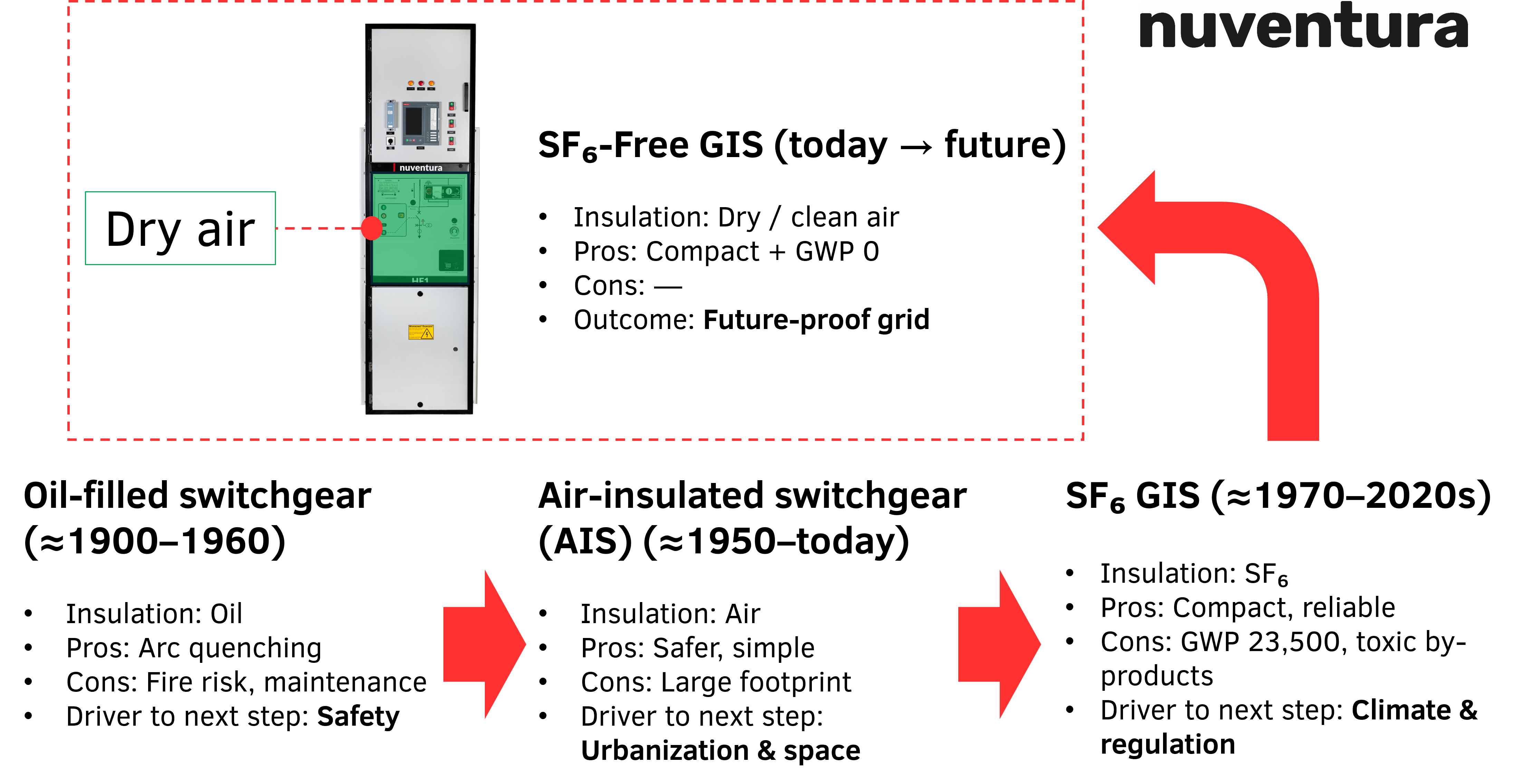
The Evolution of MV Switchgear: From Oil → AIS → SF₆ → SF₆-Free GIS
The Carbon Footprint of SF₆ vs SF₆-Free Switchgear
What Utilities Must Consider in Tender Specifications for SF₆-Free GIS
.png)
Type-Tested MV Switchgear Under IEC 62271-200
_sz3.jpg)
Partial Discharge in MV Switchgear: Causes & Detection
.png)
Key Differences between Primary and Secondary GIS Switchgear
Internal Arc Classification Explained (IAC AFLR, 16/25/31.5 kA Basics)
Environmental Advantages and Potential Carbon Credits to SF₆-free Switchgear in the Indian Context
SF₆ Regulations: What’s Changing (2026–2035)? And Where?
Explanation of the relay protection functions required in MV grids
AIS vs GIS — Combining the Best of Both Worlds with SF₆-Free Technology
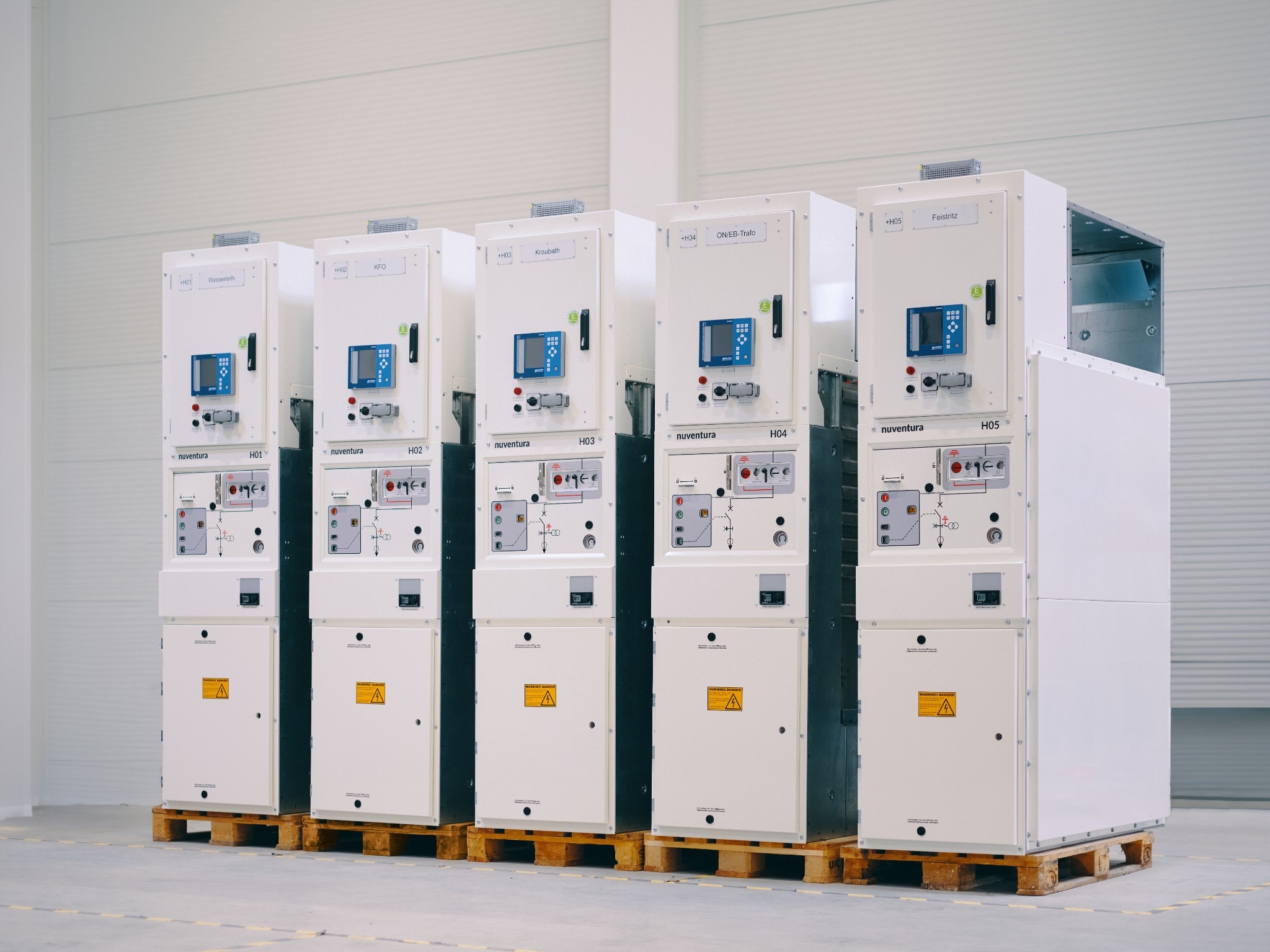
Why Voltage Levels Matter in Medium-Voltage Grids
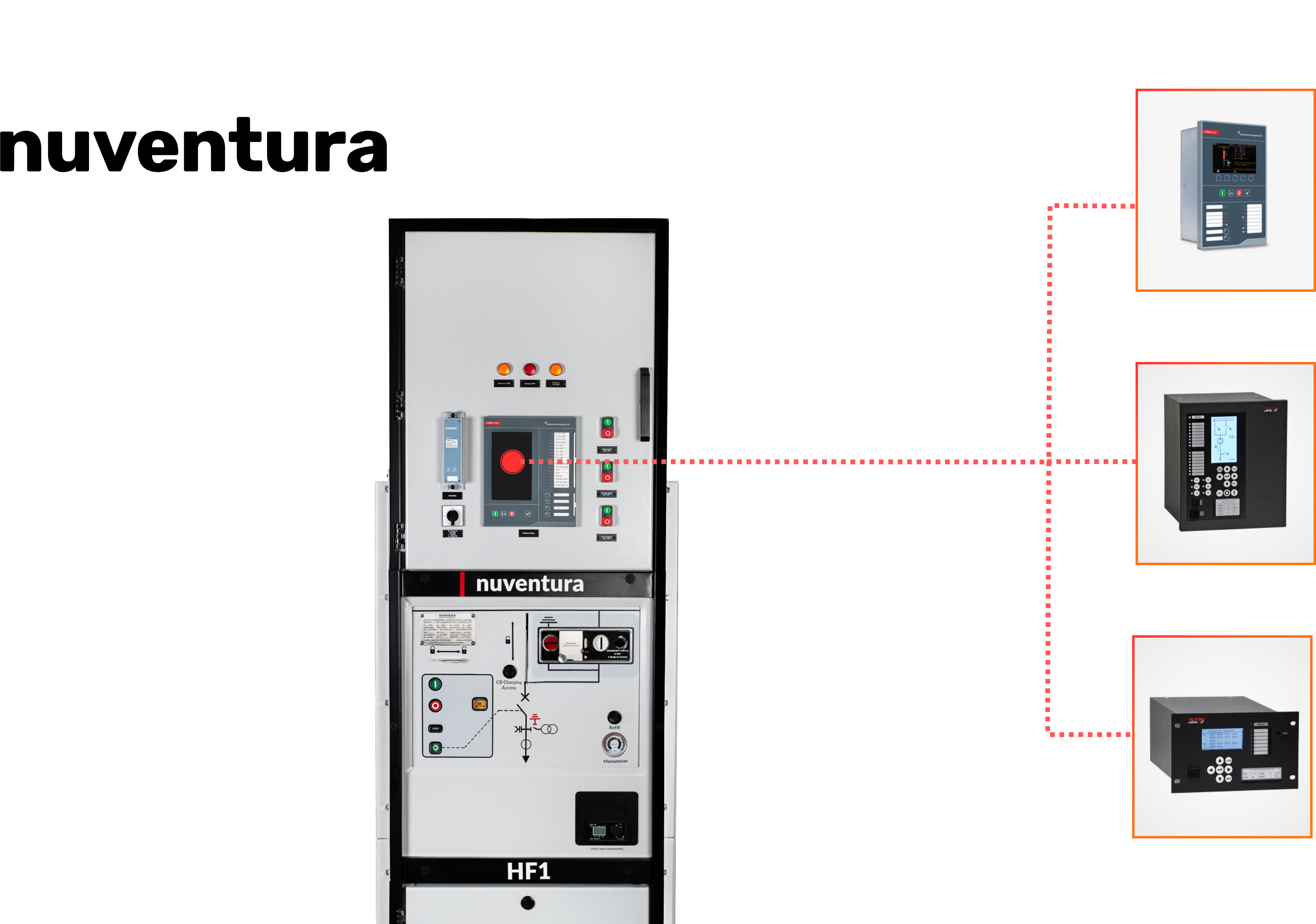
Protection Relays – The Intelligence Behind Medium-Voltage Switchgear
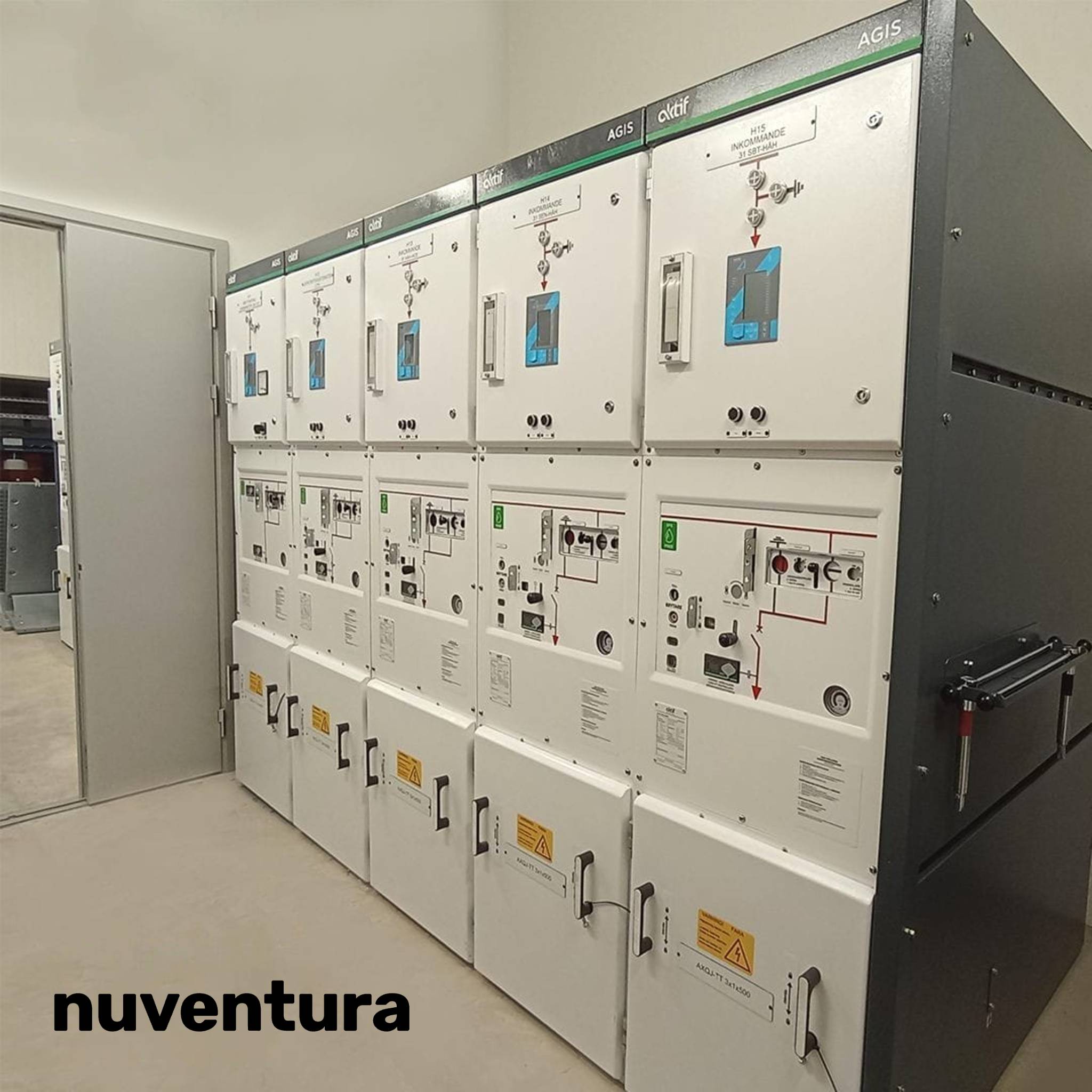
Raising the Bar for Switchgear Safety
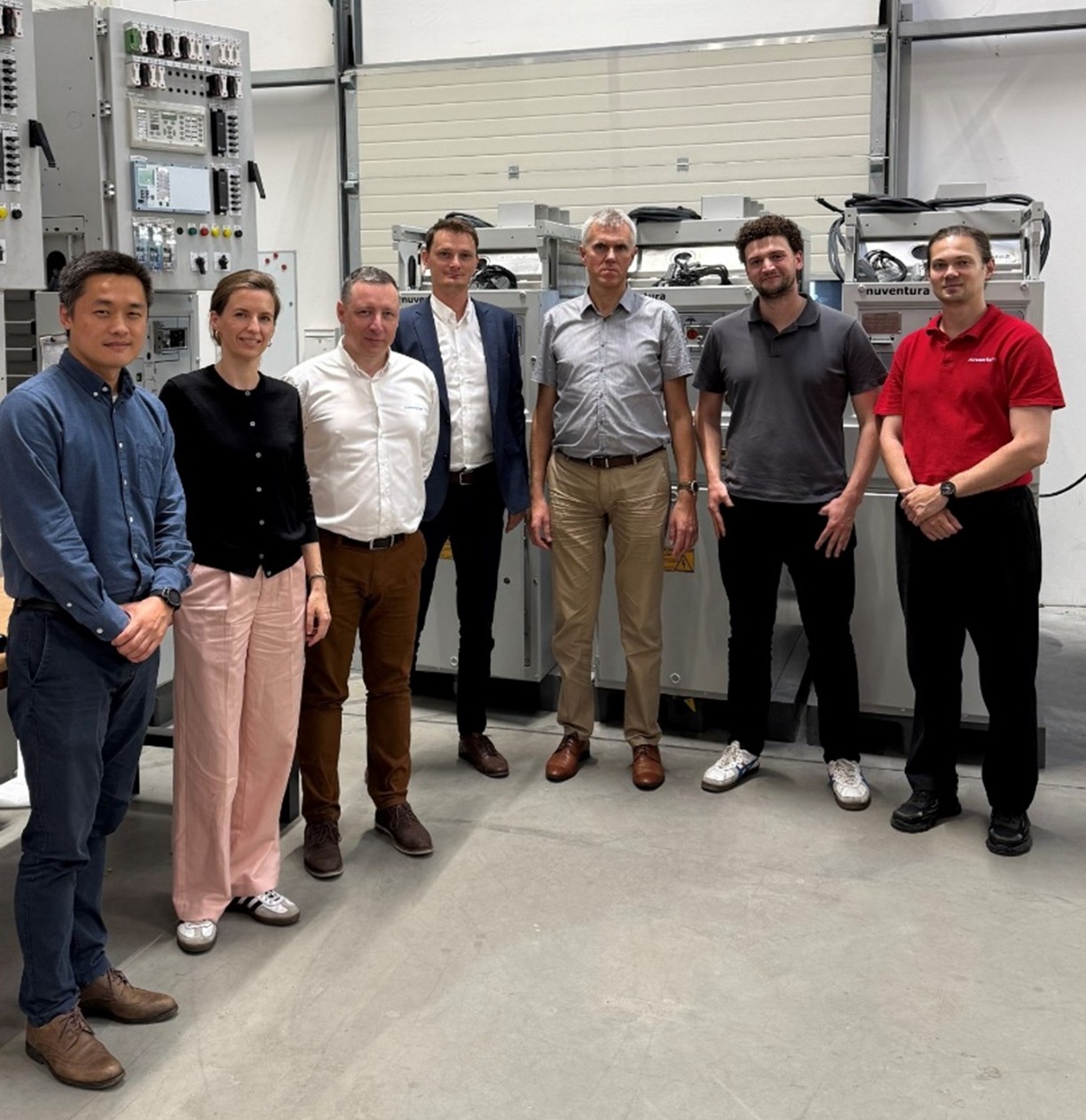
Nuventura and Elgór and Hansen enter partnership to bring SF₆-free switchgear to Poland
Nuventura and WESCOSA join forces to bring F-Gas-free GIS to the Middle East

CO7 and Nuventura announce partnership

Nuventura and PMS join forces for a greener future in power solutions

Introducing Nuventura’s ESG function and Cassidy Kuiper
Project Enquiries
Whether it’s SF₆-free switchgear specifications, partnership opportunities or support – our team is ready to answer your questions and find the right eco-friendly solution for your needs.
If you are evaluating SF₆-free switchgear for a new project or looking to replace conventional GIS, our team can help you define the right technical solution. We support customers with product specifications, project planning, partnership discussions and technical clarification throughout the decision-making process. Whether the application is utility, industrial or renewable energy, we work with you to identify the most suitable configuration for your requirements. Contact us to discuss your project in more detail and explore the best SF₆-free option for your application.
Do you have a specific request?
Get in touch